
Why he keeps three home bases, and why Latvia stayed
Bobby Casey on building location‑independent companies, the 183‑day tax myth, and what life actually looks like in Riga
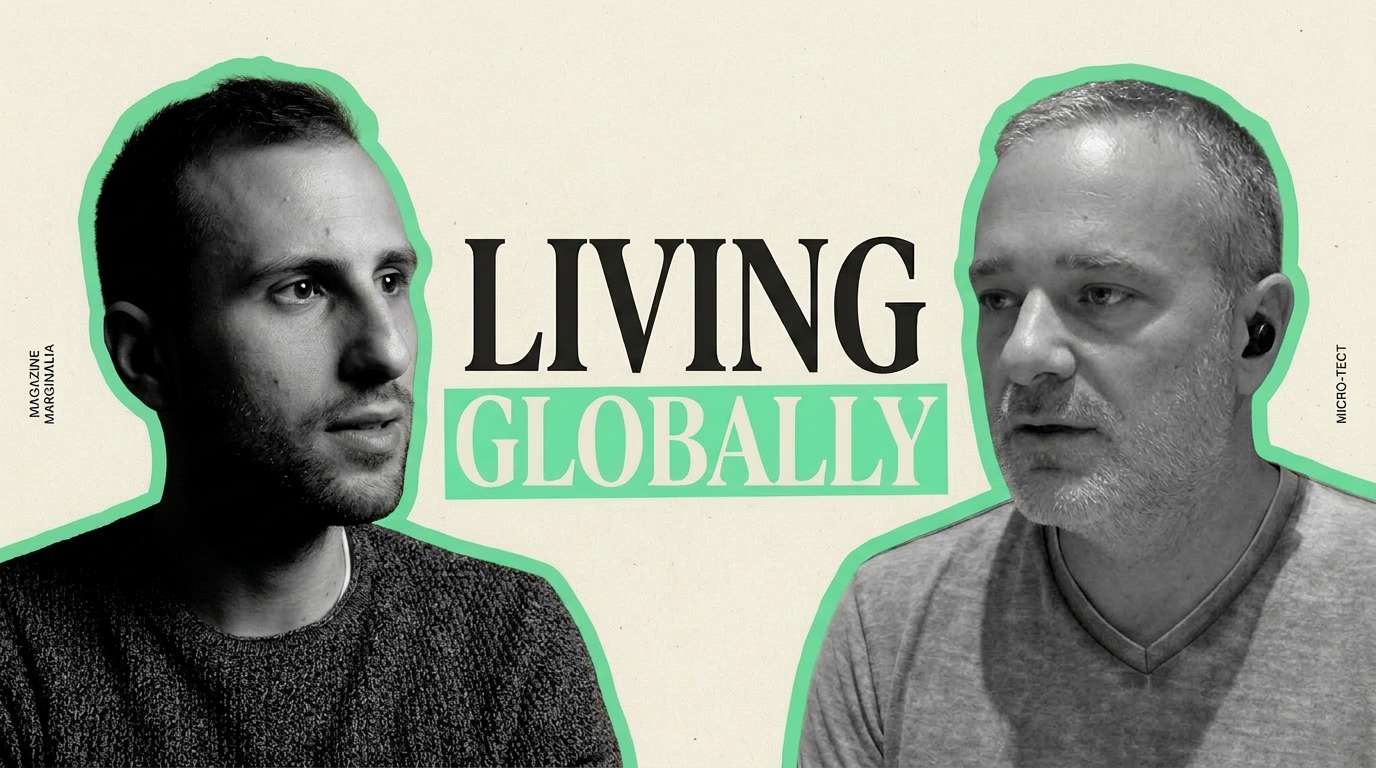
“I have a home base in Latvia since 2011, I still own the apartment, the car, the motorcycle.” - Bobby Casey
Bobby opens with a concrete, stubborn fact: he didn’t move abroad for a job or a visa program. He moved because travel rewired the way he wanted to live. That decision explains everything that follows, the three home bases, the companies he built to avoid bureaucracy, and the trade‑offs he’s comfortable making to stay free of a single HQ.
Three home bases and how they work
Bobby keeps a condo in North Carolina, an apartment in Riga he’s owned since 2011, and a place near Playa del Carmen. The pattern is practical, not romantic:
North Carolina: storage for motorcycles and a fallback base, no mortgage, minimal upkeep.
Latvia: bought and owned since 2011, permanent residency earned by passing the language exam.
Mexico: an accidental base born in 2020 when vaccine passport rules pushed him south; it stuck because of weather and quality of life.
Owning (rather than renting) in each place is deliberate: a small fixed cost to preserve options. He treats those properties as tools that let him disappear into the life he wants, not as obligations.
Business Anywhere: the product of laziness turned useful
Bobby describes Business Anywhere as a platform that exists because the manual, recurring parts of company maintenance got boring. He built automation for: US company formation, registered agent services, virtual mailboxes, remote notary, bank onboarding, bookkeeping and tax filings. Two client profiles dominate:
Real estate investors who maintain many LLCs and need automated annual‑report and compliance work.
Location‑independent entrepreneurs who want a simple US structure to run a remote business.
The cultural choice is as important as the tech: his whole team is location independent. Tools mentioned: Slack for async comms, ClickUp for project and client flows. For Bobby, designing culture around remote work came before the list of tools.
Latvia, honestly: food, festivals, flip‑flops, and winters
If you’re considering Riga, Bobby gives practical, specific signals:
Cost: a nice one‑bed in central Riga can be found for under €1,000/month. Dining is mid‑priced; Riga now has an impressive restaurant scene compared with a decade ago.
Social life: InterNations and Brazilian jiu‑jitsu were his entry points; jiu‑jitsu remains how he makes local friends.
Language: in Riga you can get by on English (and Russian), but permanent residency requires a Latvian language exam, Bobby passed it and recommends brushing up before applying for citizenship.
Transport: you don’t need a car in central Riga; public transit is solid and regional train links to Tallinn exist now.
Dress code joke worth remembering: don’t wear flip‑flops walking the city center unless you want to stand out. Locals dress darker, more muted.
Best and worst: summer is electric (festivals almost every week); winter is gray and slow. That rhythm, intense summers, quiet winters, shapes the social calendar and work patterns.
The bureaucracy you’ll actually hit
Bobby says Latvia is easier than Portugal, Spain or Italy for residency, but it’s not frictionless. Two concrete pain points:
Post‑war policy changes have pushed Latvian‑only interactions in government offices, intended to limit Russian influence. Practically, that means you’ll likely need a local fixer or translator for migration office visits.
Residency renewals are doable in weeks rather than years, but expect to budget for assistance. Bobby contrasts this with friends in Portugal who paid for property and still waited years for residency.
The 183‑day rule is a myth, and what really matters
This is the episode’s clearest, messiest nugget: the “183‑day” rule is oversimplified and often wrong. Bobby has read tax residency rules for dozens of countries and offers these specifics:
Only a small number of countries treat 183 days as a single, absolute test (Ukraine is one clear example he cites).
Most countries use multiple tests: physical presence, center of economic and social interests, owning a primary home, children in school, or registered residency procedures.
Americans are the exception: US citizens remain subject to US taxation regardless of where they live. Most other nationalities can, with planning, exit their home tax system and live without tax residency, though that brings trade‑offs.
Concrete trade‑offs Bobby names:
No tax residency often means no filed income tax return. That complicates traditional mortgages (banks ask for tax returns). Workarounds exist, non‑traditional lenders accept bank statements or investment statements but may charge higher rates.
Many banks’ compliance prompts ask for a tax ID, not a legal certificate of tax residency. Bobby warns the difference matters: a tax ID in a field is not the same as a certified tax residency document.
His one‑sentence framing: you can do it, but expect compromises based on what you want to keep (mortgage access, local public benefits, simplicity of paperwork).
Don’t execute tax strategies from ChatGPT alone
Bobby is an early adopter of AI, he uses ChatGPT and similar tools daily. Still, he stresses a practical caution: most people bring AI research to him, not as a substitute for professional advice. Why?
AI answers depend on the questions you ask; tax residency and cross‑border planning are nuanced. Getting the wrong framing from an AI leads to dangerous errors in execution.
Data sources the models pull from include poorly written blog posts and outdated guides. Use AI as a research starter, then test assumptions with a qualified advisor.
If you’re planning to move to Latvia: his quick, tactical checklist
Move with income already in place: remote job, freelance pipeline, or savings, don’t rely on finding high‑paying local work on arrival.
Live in Riga first: embed in the capital before considering smaller towns.
If you want permanence, pass the Latvian language exam and pursue permanent residency, temporary renewals are a yearly pain.
Budget for a translator or migration‑office help given recent rules.
“If you don’t have tax residency, you don’t have a tax return to show a bank, that’s the trade‑off.” - Bobby Casey
Where Bobby lands is a clear posture, not a sales pitch: he built Business Anywhere to simplify the administrative drag of being location independent, and he built cultural practices (team, tools, home bases) that let him keep living that way. He’s pragmatic about the costs, gray winters, documentation hassles, and occasional family friction, and explicit about what makes it worth it to him.
If you want the operational side, how Business Anywhere automates renewals, or how GlobalWealthProtection handles the edge cases for clients who want tax clarity ,the full conversation gets into product details and client examples. Listening is worth it if you’re planning a move, considering nontraditional mortgages, or trying to untangle the residency question for a specific nationality.
A soft invitation: if any line in this note hit you, the residency nuance, the Riga summer scene, or the business automation, the full episode walks through the examples and trade‑offs in Bobby’s own words.