
She moved to the Balkans, stayed through grief, and wrote a how-to for starting over
Chanoa Inez on learning Serbian with SpongeBob, living seasonally between Belgrade and Montenegro, and why she wrote Dream On
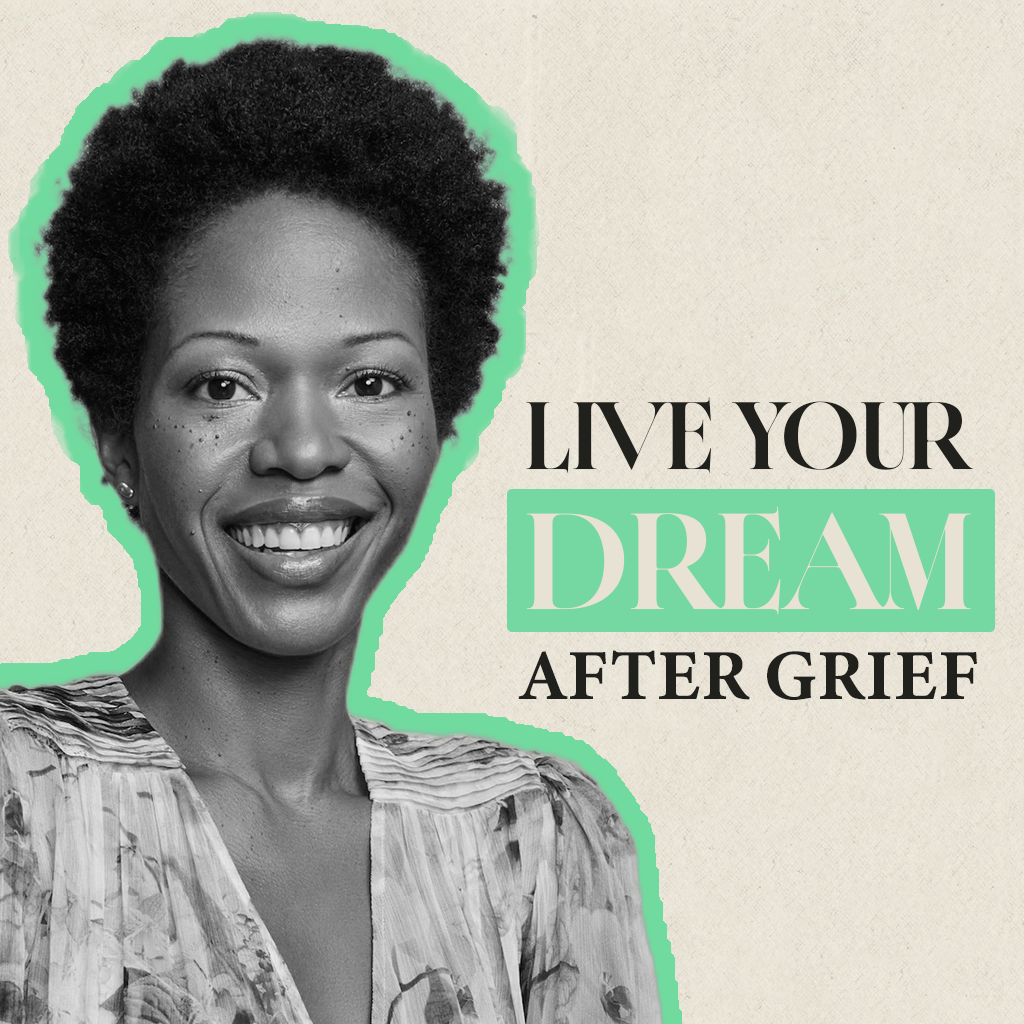
“I fell into a depression because I knew I wanted to leave Miami, I didn't want to get back on the plane.” - Chanoa Inez
Chanoa Inez spent almost seven years between Serbia and Montenegro, first as a long summer visit and then as a life she made her own. The early part of that life began as a relationship trip; it continued after loss. What follows are the practical parts of how she stayed, what broke and rebuilt her, and the exact things someone moving to Montenegro should know.
Why she stayed after a relationship ended
Chanoa says the first morning after arriving felt like magic: meeting family, the seaside, a sense of peace. When the person she moved with died, she faced the obvious choice most listeners expect, go home or stay. She chose to stay.
It wasn't romanticizing heartbreak. The reasons were specific: she already had friends there, knew parts of the social network, and she wanted a different pace than Miami. Belgrade and the Montenegrin coast offered different strengths, Belgrade's city tempo and Montenegro's seaside calm, and she learned to move between them, sometimes living half the year in Belgrade and half on the coast.
The grief was real and long. Chanoa describes two difficult years where gray winters, late-night client calls (sometimes until 1:30 a.m.), poor sleep and bad eating compounded the emotional toll. Several practical moves helped more than anything else: steady routines, meditation and a close friend who was also struggling. Eventually those daily practices and lifestyle changes rebuilt her confidence.
“I realized the most important ingredient was self-love, I had to change my circles and habits to feel myself again.” - Chanoa Inez
How she learned the language and why it mattered
Chanoa started with only about a hundred words before moving. Her method was low-tech and very human: children's shows (she swears SpongeBob is funnier in Serbian), folk music, and one semester at the University of Belgrade’s philology institute to solidify grammar.
Two social realities shaped progress. In Belgrade many young people are proud of their English and assume foreigners will speak it, which made her Serbian slide back. In Montenegro she found more encouragement to use the language, and those visits boosted her fluency. Today she says her Serbian actually improved once she moved back to Los Angeles, a reminder that pressure and context change skill retention.
Practical detail for movers: you can get by without Serbian in the capital or on the coast, but rural areas still require Google Translate or basic phrases. If you want cultural nuance, jokes, local invitations, village road trips, the language makes the difference.
The everyday: cost, healthcare, transport, and fitting in
Chanoa gives granular, usable answers that cut through the tourist brochure.
Cost and housing: Rent is noticeably lower than LA, not half, but comfortably cheaper for the quality of life. She often found places through word of mouth rather than just listing sites.
Healthcare: If you pay privately, care can be excellent and affordable. Chanoa had a bad case of food poisoning and paid privately for a week-long hospital stay; specialists and facilities were state-of-the-art for a fraction of US prices. Citizenship brings free care, but as an expat she paid privately and was satisfied.
Transport: Montenegro is small and beautiful but best seen by car. Public transport is usable within cities but not ideal for cross-country exploration. Summer scooters or small boats are practical options on the coast.
Work culture: Average local salaries are low compared with the US, but many locals work abroad and return with money. For a remote freelancer with US clients, that can be an advantage, Chanoa grew her copywriting business into a full-time income while living there.
On blending in: go where locals go. Expats who only frequent expat spots stand out. Chanoa also notes a social pattern, people stare, especially in Belgrade, not out of hostility but curiosity. Montenegro’s coast felt more used to foreigners and therefore less startling.
From copywriting to a book and a personal-brand program
The practical arc of Chanoa’s career is straightforward: freelance US copywriting paid the bills, long-term personal work on grief and identity opened a new path, and that led to a book.
Her book, Dream On: How to Create the New Life of Your Dreams After Upheaval or Loss, grew from the observation that people get stuck unknowingly in old emotional patterns. She wrote it to shorten that limbo for readers, loss, layoffs, failed businesses, or anyone ready to dream bigger.
She also built a program, Magnetize Your Personal Brand, which treats branding as internal work: identity, habits and clarity first, templates and visuals later. The premise is simple and business-ready: people do business with people, so becoming who you actually are improves both life and work.
If you want to follow her work: chanoainez.com and she’s active on LinkedIn, Instagram and Substack. The book is on major platforms including Amazon and Audible.
One-line advice and the hardest truth she offers
Her bluntest, most useful tip for someone moving to Montenegro: “Just do it.” But she qualifies it practically, immerse yourself, meet locals, and don’t let the expat bubble be the only place you live.
She also leaves one honest admission: moving isn’t a cure for grief. It can give space and momentum, but the real work came from daily practices, tough conversations, and reorienting what she believed about herself.
If you care about living somewhere that slows you down, gives you coastline and mountains within an hour, and where language and local ties open real belonging, Chanoa’s story is a reminder that place helps but doesn’t do the healing for you. For the rest, her book and program are specific next steps.
If you want the conversation in full, listen to the episode for the scenes that don’t survive a transcript: the seaside photo trips, village hospitality, and the small travel details Chanoa demonstrates when she says she still feels Montenegro as “a piece of my heart.”