
How she built a life from Spain to Porto, and the visa business that followed
Kalie of Expats Everywhere and Slate & Key on 15+ years abroad, why Portugal still works, and the one thing people underestimate.
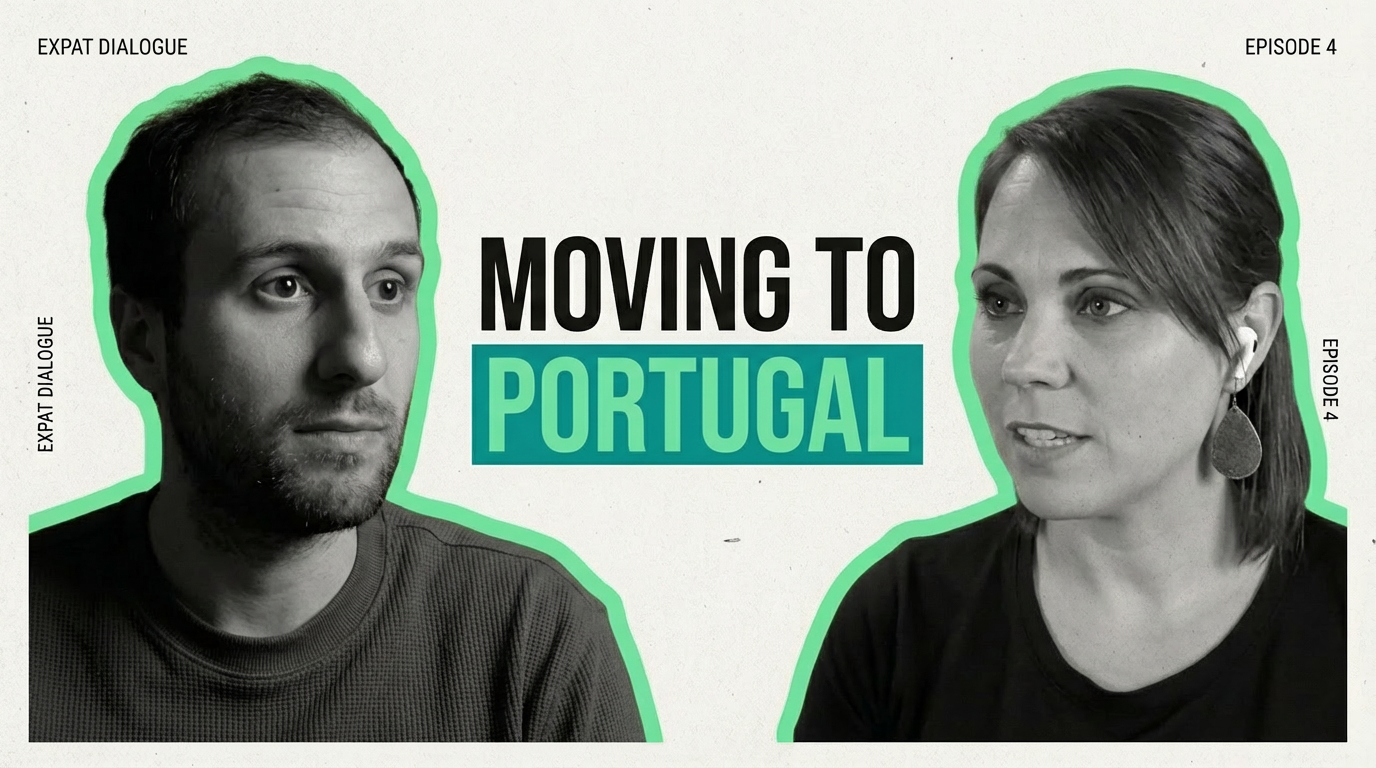
“Come to Portugal with no expectations.” It’s the single practice Kalie returns to again and again - a mindset, not a checklist.
Why their moves never felt accidental
Kalie left the U.S. after college in 2009 with a partner and a loose five-year plan that evaporated fast. The path looks almost improvised: au pair in Madrid, teaching in South Korea, a year at a Saudi university, four years in Singapore, then, after realizing visa and cost realities, Portugal. Along the way she and her husband leveled up professionally: state teaching credentials, international schools, and in 2015 they launched Expats Everywhere to help others do the same.
Two concrete moments shaped the arc: Saudi Arabia let them travel the region and save tax free, and Singapore convinced them a different lifestyle was possible but too expensive long term. Those experiences, plus a pattern of saying “we’ll figure it out,” became the engine for both the channel and a later, more hands-on service, Slate and Key.
Portugal: what’s actually good, and what keeps people awake
Kalie’s Porto life reads like a checklist any incoming family will want: a six‑year‑old in a private Portuguese school, a family budget that works, she says a family of three can live comfortably on about $3,500–4,000/month including school, and a rhythm of cafe culture and better work–life balance.
But she names the exact friction points you won’t learn from pretty Instagram photos:
Housing is the X factor. Many properties never hit portals; word of mouth and local realtors matter. Popular sites like Idealista and Casa Sapo exist, but the best listings often circulate offline.
Bureaucracy is a real bottleneck. High demand has produced backlogs for visas and renewals; some online portals for renewals work, but many processes still require persistence and sometimes paid help.
Public services are solid but strained: the public health system is good quality yet overbooked, so people top up with private care for anything non‑urgent.
She frames these not as deal‑killers but as predictable tradeoffs: Portugal gives you safety, healthcare options, and affordability, and asks you to tolerate slow paperwork.
Practical things people actually asked about
Language: Big cities are forgiving, younger Portuguese generally speak good English, and service workers often do too. Still, Kalie recommends learning Portuguese; she took courses to secure her A1/A2 certificates when applying for citizenship.
Transport: In Lisbon or Porto you rarely need a car; many expats embrace public transit and rent cars for weekend trips. In smaller towns a car becomes more practical.
Work and salaries: Remote work is common among expats; locals keep a healthier work–life balance but earnings are lower, which drives many young Portuguese to seek higher pay elsewhere in Europe.
Finding friends: Shared hobbies work, for them, soccer connected them to locals (they follow Arsenal and join the Arsenal Portugal supporters group) and has been a steady social anchor.
Slate and Key: when information became a service
Expats Everywhere started as an information channel. Over time people asked for more than links and advice: they wanted someone to hold the process for them. Kalie launched Slate and Key to offer a boutique, white‑glove relocation service, she keeps the client list small so people always have direct access to her. The service covers visa paperwork, accommodation logistics, pets, shipping, the “everything you don’t know you need.”
One specific advantage she stresses: having a trusted, local contact short‑circuits the common loop where platforms and portals require numbers and IDs you can’t obtain without first having those same documents.
"Come to Portugal with no expectations." - Kalie, Slate & Key
That isn’t fatalism. It’s tactical: lower expectations, and Portugal’s advantages, cafes, neighborhoods with small shops, manageable cost of living, arrive as pleasantly surprising realities rather than disappointments.
If you want one short operational tip from someone who’s moved across four continents: explore the visas and paperwork early, and if the bureaucracy looks like a wall, hire a small, local, vetted service to guide you through it.
If you want to hear the full conversation, the stories from Korea, Saudi Arabia and Singapore, the exact timeline of how Expats Everywhere grew, and Kalie’s take on which European countries are truly easiest to move to, listen to the full episode.