
How Lara turned burnout into a life built for feeling at home
From São Paulo to Amsterdam: why she left corporate, what actually helped, and the practical truths about housing, healthcare and cycling here.
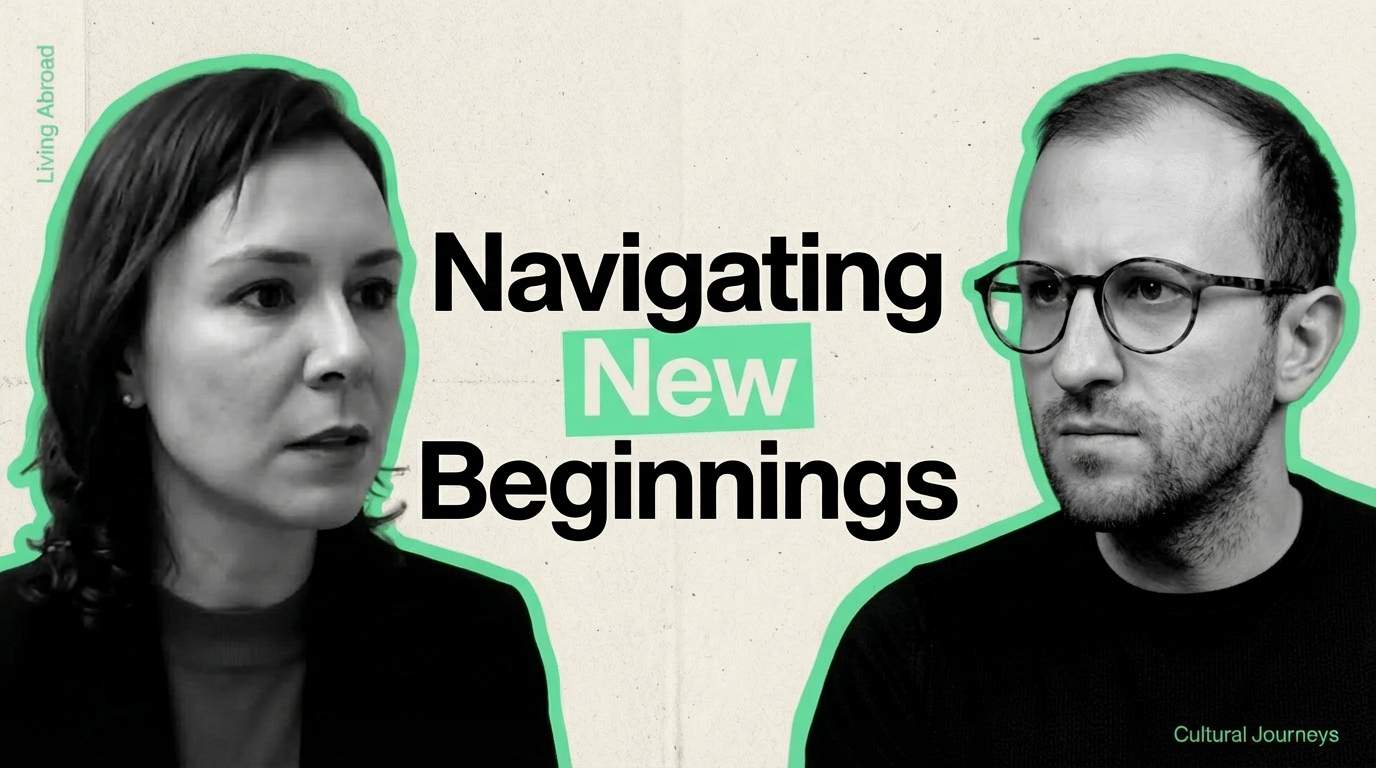
“Success is not equal to happiness.” - Lara Ferreira
Lara said it plainly: after 15 years in marketing, a sequence of personal shocks (COVID, a marriage breakup, the death of a pet) and clinical burnout forced a decision she’d been postponing for a decade. She left corporate life in Amsterdam and rebuilt around what actually made her feel alive, not what looked best on paper.
Why she left corporate and what she did instead
Lara grew up near São Paulo, did a semester in London and a year working in Stockholm before settling in Amsterdam in 2021. The tipping point wasn’t a single moment; it was stacked events plus the pandemic. Burnout arrived while she was already abroad, with all the extra friction of unfamiliar systems, foreign-language paperwork, and fewer automatic supports.
She used a mix of coaching, somatic work, ceremonies and microdosing a plant medicine to reconnect body and emotion. That six‑month process moved decision‑making off the rational spreadsheet and back into felt experience: what work would feel meaningful, sustainable, and aligned. The result is Mindful Experiences, a coaching program for expats seeking a career or life pivot that actually fits.
How she supports other expats now
Lara helps people who feel “something’s missing” even after they’ve checked the boxes of an expat life: good job, international city, CV glow. She works mostly one‑to‑one online, with occasional group cohorts and company workshops on stress and burnout prevention.
Her framework is a four‑step journey built from her decade of experimenting: uncover the real pain point (it’s not always the city), name the desire, choose a direction from a place of felt clarity, and operationalize that change. She also consults with companies to make workplaces more humane and aligned, not anti‑corporate, but realistic about who thrives where.
Living in Amsterdam: the practical bits she warns about
Lara’s answers are frank and specific, the things we usually want someone local to tell us before we move.
Housing: wildly competitive. During the post‑COVID squeeze she found options, but now viewings often have 30–40 people and people can spend six months searching. Her advice: line up contacts, join local WhatsApp/Facebook groups, and consider staying with a host for the first weeks.
Cost of living: rent drives almost everything. A one‑person budget including rent in Amsterdam commonly falls between €3,000–€5,000/month; rents around €2,500 are not unusual. Food and museums (many municipal programs) can be affordable, but housing is the big shock.
Healthcare: public but insurance is mandatory. Expect roughly €140/month for a basic policy and an annual deductible near €400 for routine charges. Lara prefers doing preventive checks in Brazil because she found Dutch care less focused on routine screening.
Transport and daily life: cycle first. Cycling here buys independence, safety and an unexpected quality of life, the thing she says she would never trade. Public transport works well, though fares add up (single tram/bus trips roughly €2–€3).
The culture you actually live into (not the brochure)
Lara singles out three small, repeatable habits that help you land: learn to be okay with getting wet in the rain, eat simply at lunchtime (sandwiches, soup, 30 minutes), and complain about the weather and prices, it’s a cultural icebreaker.
She also notes Amsterdam isn’t the rest of the Netherlands: it’s unusually international and open, which makes meeting people easier, but also depresses the incentive to learn Dutch. She’s planning to start lessons next year, the language is a challenge for Latin speakers.
A few concrete surprises and small joys
The croquette-in-a-bun: a Dutch fried croquette often tucked into bread like a hot dog. Lara still finds it culturally confusing, and deliciously odd.
Papaya and sun: she misses São Paulo’s sun and papaya; the long October–March gray stretch is the hardest adjustment.
Cycling as freedom: after years of São Paulo traffic and a car commute she used to hate, cycling in Amsterdam replaced commuting stress with daily movement and a sense of independence.
“When I was rebuilding, I had to choose from a place of feeling, not a spreadsheet.” - Lara Ferreira
If you’re considering a move to the Netherlands, Lara’s one‑line advice is practical: be clear about why you want to go, and front‑load your housing plan. Network first, plan for patience, and if possible arrange a temporary place to land so you don’t start the move with the worst stressor already unsolved.
If any of this lands with you, the gap between what looks good and what feels good, Lara’s work is aimed exactly at that edge. Her programs and workshops are visible on LinkedIn under Lara Ferreira and on Instagram at mindful experiences.
Listen to the full conversation for the moments she describes step‑by‑step: how she handled paperwork in another language, the exact mix of practices that helped her make a decision, and the language of small, daily choices that quietly remake a life abroad.